

Mexican Lucha Libre
There’s an undeniable electricity in the air when a masked luchador takes flight. But Mexican Lucha Libre is far more than just acrobatics and Friday night entertainment—it’s a living piece of cultural heritage. Soon, fans, historians, and the fighters themselves will come together to unpack exactly what makes this tradition so vital to Mexico’s national identity.

A Monumental Event at Arena 11 de Julio
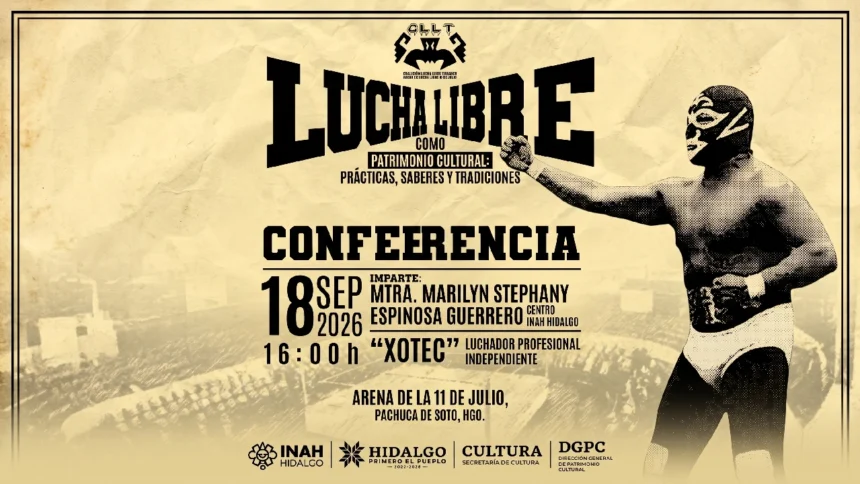
On September 18, the historic Arena 11 de Julio opens its doors for a different kind of spectacle. The INAH Hidalgo Center, teaming up with CLLT Arena de Lucha Libre, is hosting an open public conversation about the sport’s deep cultural roots. Instead of body slams, the focus will be on the stories, history, and social impact of the men and women who step between the ropes.
The Rich Symbolism Behind the Wrestling Masks
Marilyn Stephany Espinosa Guerrero, one of the event’s key speakers, views the arena as a living social canvas. She points out how Lucha Libre goes beyond athletics to articulate complex symbols and larger-than-life characters. These aren’t just gimmicks invented for television; they are generational icons deeply woven into the fabric of everyday Mexican life and imagination.
Passion and Pride Inside the Wrestling Ring
The weight of that legacy is something the luchadores carry every time they lace up their boots. Independent wrestler “Xotec” plans to share what it actually feels like to embody that history inside the squared circle. For him and his peers, putting on a mask isn’t about hiding who you are. It’s about stepping into a shared, powerful identity built on respect, inherited knowledge, and fierce community pride.
Join the Celebration of Vibrant Mexican Culture
This upcoming dialogue offers a rare chance to look past the glitz and understand the actual heartbeat of the sport. Whether you grew up watching the matches or are completely new to the spectacle, you’ll walk away with a deeper appreciation for the craft. It’s an open invitation to see firsthand why Lucha Libre remains an essential, enduring Mexican treasure.