


The King of the Nile
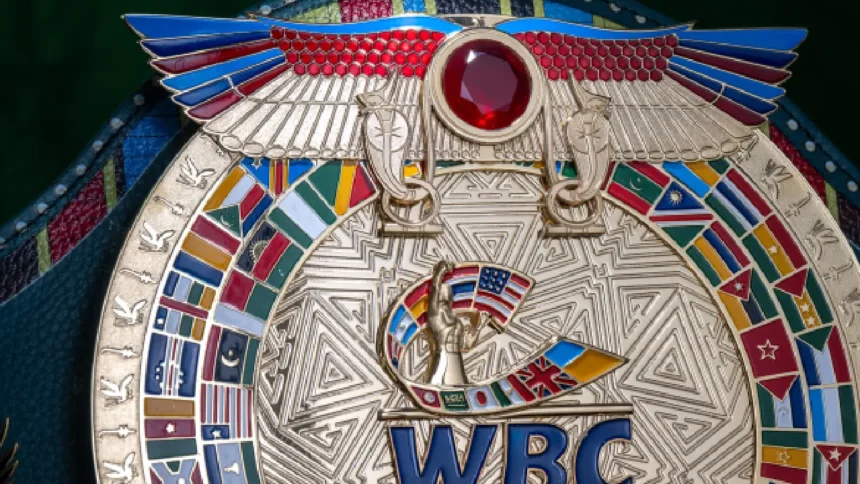
The World Boxing Council (WBC) just unveiled a breathtaking masterpiece. They are calling it the “King of the Nile” ceremonial belt. This stunning prize awaits the winner of the highly anticipated heavyweight world championship. This Saturday, May 23, undisputed boxing champion Oleksandr Usyk faces kickboxing legend Rico Verhoeven. This historic crossover fight happens at the iconic Pyramids of Giza in Egypt.

A Belt Born from the Cradle of Civilization
The “King of the Nile” is much more than a standard championship prize. Designed and crafted by Imperio de Metal, the belt serves as a direct tribute to ancient Egypt. In this historic culture, the pharaoh’s power represented universal balance and order. Every crafted detail connects Egypt’s ancient legacy to the modern glory of heavyweight boxing.
The Winged Sun Disk: Celestial Power

At the very top of the central plate sits the Winged Sun Disk. This sacred symbol of protection is closely tied to the sun god, Ra. Ancient Egyptians placed this emblem over temple entrances to guard everything inside. On this special WBC belt, it symbolizes combat protection and the reigning champion’s honor.
The Eye of Horus: Vigilance and Victory

Right below the sun disk, the Eye of Horus watches over the plate. It stands for protection, power, and triumph over adversity. In Egyptian lore, it represented restoring order after chaos. Inside the boxing ring, it perfectly reflects a champion’s struggle for balance, endurance, and ultimate supremacy.
The Crook and Flail: Supreme Authority

The base of the center plate features the crossed Heka and Nekhakha. These are the ceremonial crook and flail of the pharaoh. For thousands of years, these symbols decorated royal sarcophagi and temple walls. They represented the pharaoh’s supreme authority as a protector and guide. Today, they evoke the dominance of a boxing champion who rules the ring through strict discipline and leadership.
Sacred Scarabs: The Warrior’s Rebirth

The side panels of the belt feature Sacred Scarabs mounted in 24-karat gold against the WBC’s traditional green leather. These beetles connect to the god Khepri and the eternal cycle of the sun. In Egyptian culture, the scarab was the ultimate symbol of transformation and rebirth. For the fighters, it represents the warrior who rises stronger after a grueling test. Through sacrifice and pure perseverance, the winner earns the right to be called a champion.
Honoring the African Continent
The central plate proudly displays the flags of African nations. This detail honors the rich cultural history of the continent that gave birth to the world’s oldest civilization. It gives the “King of the Nile” title its deepest meaning. Ultimately, the belt pays homage to the legendary river that has symbolized life and power in Africa for millennia.
Masterful Craftsmanship and Materials
This belt perfectly blends ancient Egyptian aesthetics with the iconic WBC brand. Artisans meticulously finished the metallic elements and sacred scarabs in 24-karat gold. In addition, the details feature genuine lapis lazuli. Ancient Egyptians revered this deep blue stone as a piece of the heavens, using it in royal funerary masks. The edges of the belt mimic ancient ceremonial collars, using colorful mosaics fit for royalty. Even the WBC letters on the plate are crafted from lapis lazuli.
A Golden Boxing Tradition
The “King of the Nile” joins a growing tradition of incredible WBC ceremonial belts. Since 1963, the WBC has treated world championship fights as historic moments tied to specific cultures. From Middle Eastern deserts to historic Latin American arenas, these unique belts tell the story of boxing’s global reach. No other combat sports organization works harder to connect boxing with local cultural identities.
The Road to Glory in Giza
WBC President Mauricio Sulaimán personally toured with the belt this past week. He presented it at press conferences in Spain before continuing to South Africa. This global tour highlights the massive international scale of the “Glory in Giza” event. This Saturday, at the foot of the mighty Pyramids, Usyk and Verhoeven will finally step into the ring. Just like in the ancient stories of the Nile, only one man can claim the throne.


